
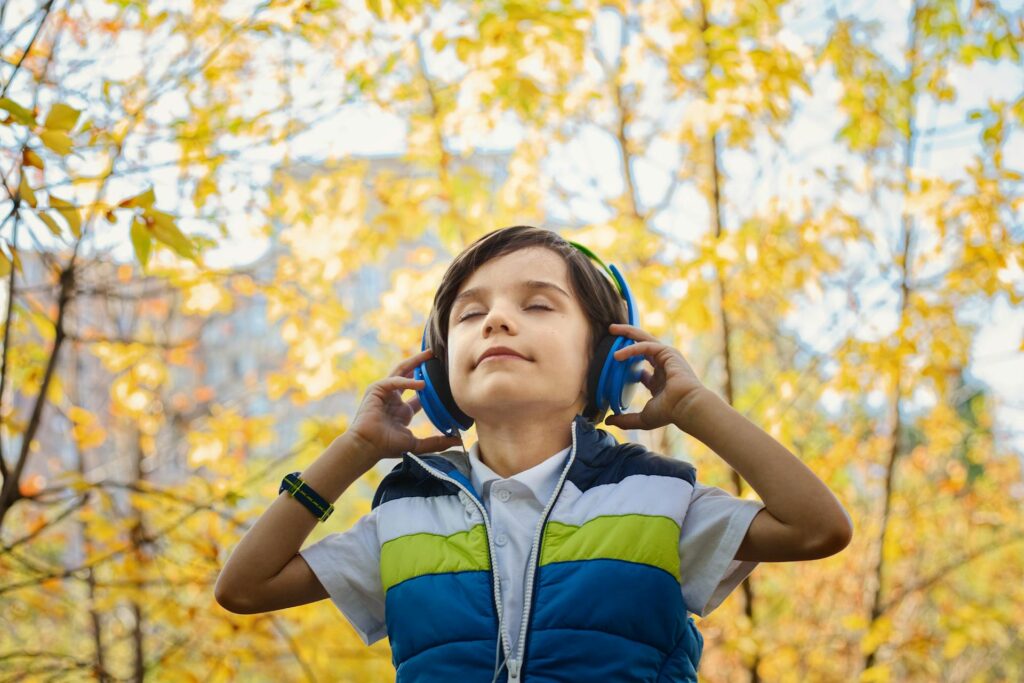
When kids pick up an instrument, clap to a beat, or even hum along to a song, they are doing more than making noise. They are training their brains in ways that directly connect to STEM, which is science, technology, engineering, and math. Musicology, the study of music, reveals just how powerful music can be for a child’s growth.
BUILDS STRONG MATH FOUNDATIONS
Rhythm and beat are natural math lessons. Counting beats, dividing notes into halves and quarters, and recognizing patterns all strengthen number sense. Children who study music often show higher achievement in math because they have already practiced fractions, ratios, and sequences without even realizing it.
TRAINS THE BRAIN TO RECOGNIZE PATTERNS
STEM careers rely heavily on pattern recognition, whether it is coding, problem-solving, or predicting scientific outcomes. Music trains kids to hear and anticipate repeating structures, like choruses and rhythms, which boosts their ability to think logically and spot trends.
IMPROVES FOCUS AND MEMORY
Learning music requires concentration and recall, two key skills for STEM learning. Children who practice songs strengthen their working memory, which makes them better at holding onto multi-step directions in math problems or experiments.
ENCOURAGES CREATIVITY IN PROBLEM-SOLVING
STEM is not only about numbers; it is about finding solutions. Music fosters creativity by allowing kids to experiment with sound, timing, and expression. This flexible mindset helps them tackle challenges from multiple angles.
TEACHES DISCIPLINE AND RESILIENCE
STEM fields require persistence. Practicing an instrument or learning a song shows kids how to break big goals into smaller steps. They experience trial, error, and improvement, which mirrors the scientific method.
Music is more than an extra activity. It is a tool that strengthens math readiness, enhances critical thinking, improves memory and focus, encourages resilience, and prepares kids for future STEM opportunities. The best part is that music does not require expensive lessons. Singing in the car, clapping along to songs, or making rhythms at home can spark the same benefits.